

Minors Programs

The Sculpture Minor develops essential three-dimensional skills for careers in entertainment, fine arts, and commercial design. The hands-on experience with form and anatomy enhances digital sculpting capabilities for video game development and strengthens skills in architectural model making and museum exhibit fabrication.

A minor in Art History gives today’s creatives a competitive edge in the fields of art conservation, architectural preservation, library and archival research, the museum profession, as well as an edge towards internships and teaching opportunities. Conducted under the guidance of an art history instructor of choice, students pursuing the minor take four additional art history courses (12 units) beyond degree requirements for the BFA.

The Drawing + Painting Minor provides foundational visual skills that enhance career prospects across multiple creative industries. Graduates apply their refined observational abilities, color theory knowledge, and compositional understanding to roles in concept art, illustration, gallery representation, art education, and freelance artistic practice.

The Illustration Minor prepares students for careers across multiple industries. Graduates work in publishing creating book covers, magazine illustrations, and educational materials. Commercial opportunities include brand illustration, advertising, packaging design, and product visualization. The entertainment industry offers roles in concept art, storyboarding, character design, and visual development for film, TV, animation, and gaming. Digital careers span web illustration, social media content, app design, and user interface graphics.
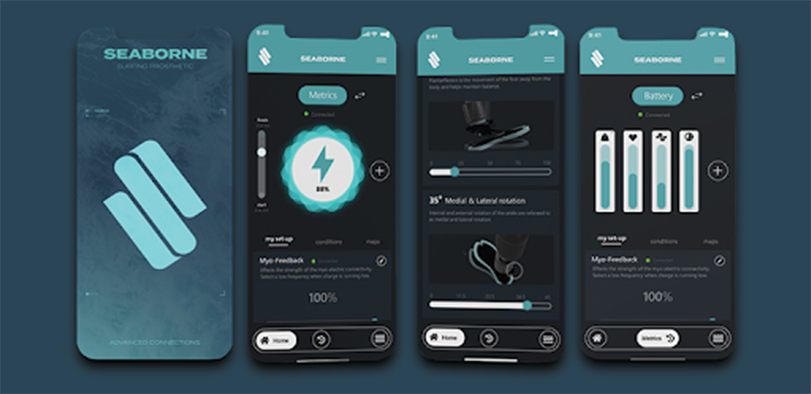
The UI/UX Minor emphasizes practical application of design thinking and user-centered design methodologies. Students learn to bridge the gap between creative vision and technical implementation, developing skills that are essential in today's digital-first marketplace. The program balances theoretical understanding with hands-on experience using industry-standard tools and emerging technologies.

By studying the work and craft of established authors, students of the minor build a foundation for their original creative writing projects. Creative Writing minors discover how powerful literature can be as both a written and spoken expression and learn firsthand the vital role that creative writing plays in our culture and in the growth of an individual.
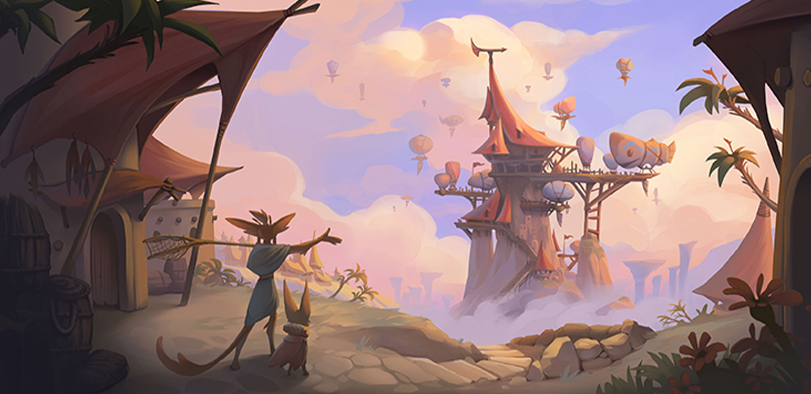
Both Game Art track and Game Design track provide students with practical, hands-on experience using the same tools and methodologies employed by leading game development studios. The Game Minor emphasizes portfolio development, industry best practices, and collaborative skills essential for success in the competitive gaming industry.
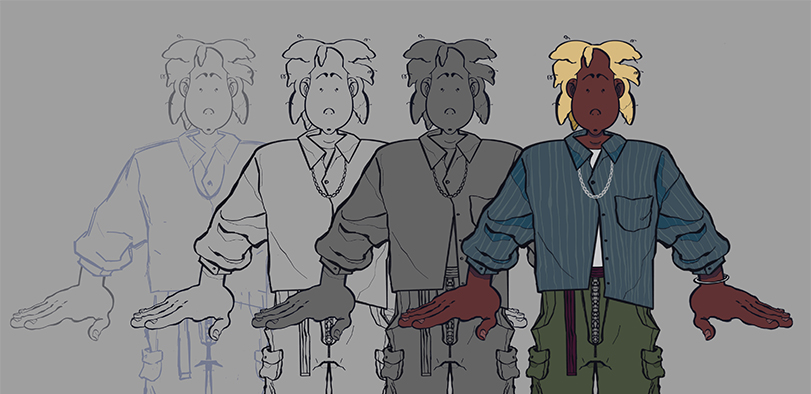
This minor serves as a valuable complement to any major, broadening career options and providing students with versatile skills applicable across the entertainment industry. Whether pursuing traditional animation careers or integrating animation skills into other creative fields, students gain practical experience and technical proficiency that enhances their professional marketability.

This minor enhances any major by providing valuable visual communication skills increasingly sought across industries. Whether pursuing careers in design, UI/UX, illustration, or across the arts sector, students gain competencies in design thinking, digital literacy, and creative problem-solving that are essential in today's visually-driven marketplace.
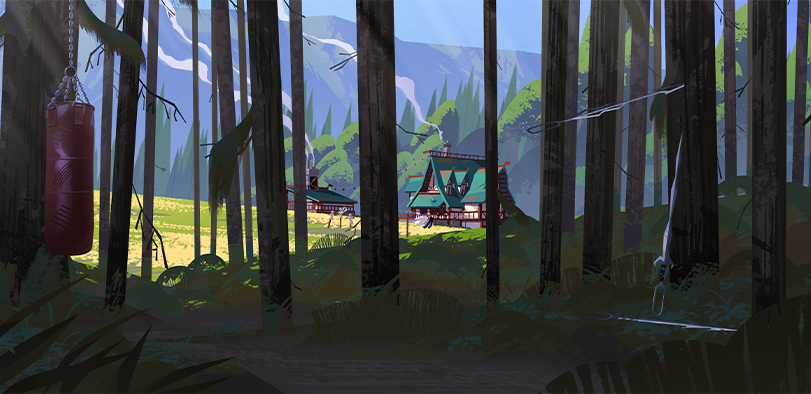
The Entertainment Design Minor prepares students for dynamic careers in the rapidly expanding entertainment industry. Graduates find opportunities as concept artists, storyboard artists, and visual development specialists in film studios, animation companies, video game-dev studios, and streaming platforms. Whether pursuing careers in feature animation, video game art direction, theme park design, or freelance concept work, this minor provides the specialized skill set and portfolio development necessary to compete in today's entertainment marketplace.
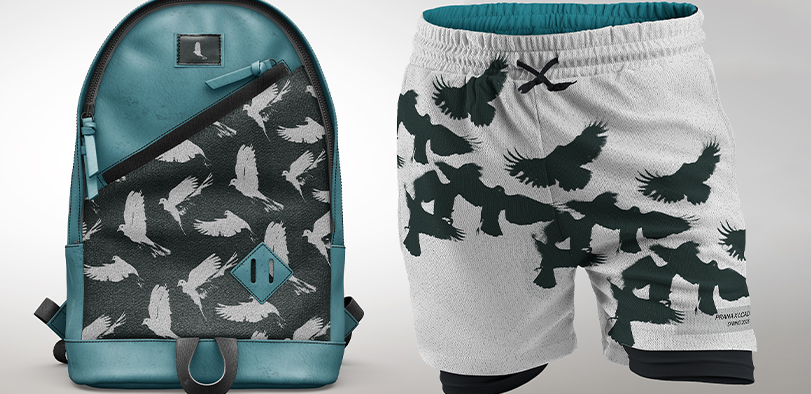
This minor prepares students for diverse career paths including brand marketing, content creation, digital media production, brand strategy, apparel design, and entrepreneurship within the action sports and lifestyle sectors. The combination of creative skills and industry knowledge positions graduates to contribute meaningfully to this dynamic and growing field.

Open to students in good academic standing from any major who demonstrate entrepreneurial interest and creative vision. Students should have completed at least two years of their major and show evidence of creative project development. A brief application including a portfolio and entrepreneurial goals statement is required.
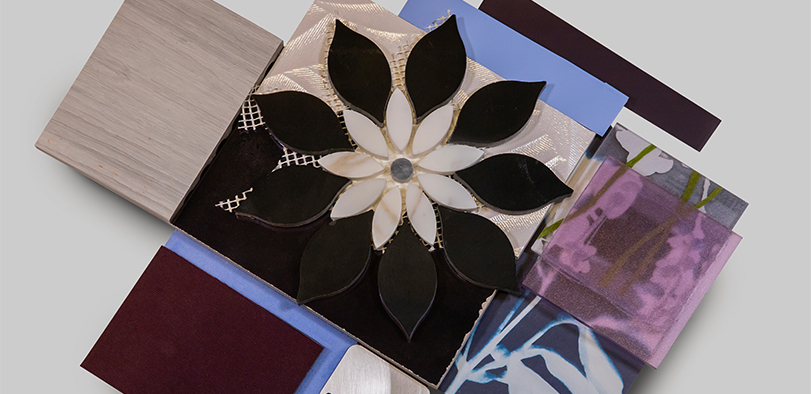
Central to our CMF Minor is a commitment to environmental responsibility and sustainable design practices. Students explore eco-friendly materials, circular design principles, and the environmental impact of color and finish choices. The program emphasizes bio-based materials, recycled content alternatives, and lifecycle assessment methodologies that prepare graduates to lead the industry toward more sustainable solutions.